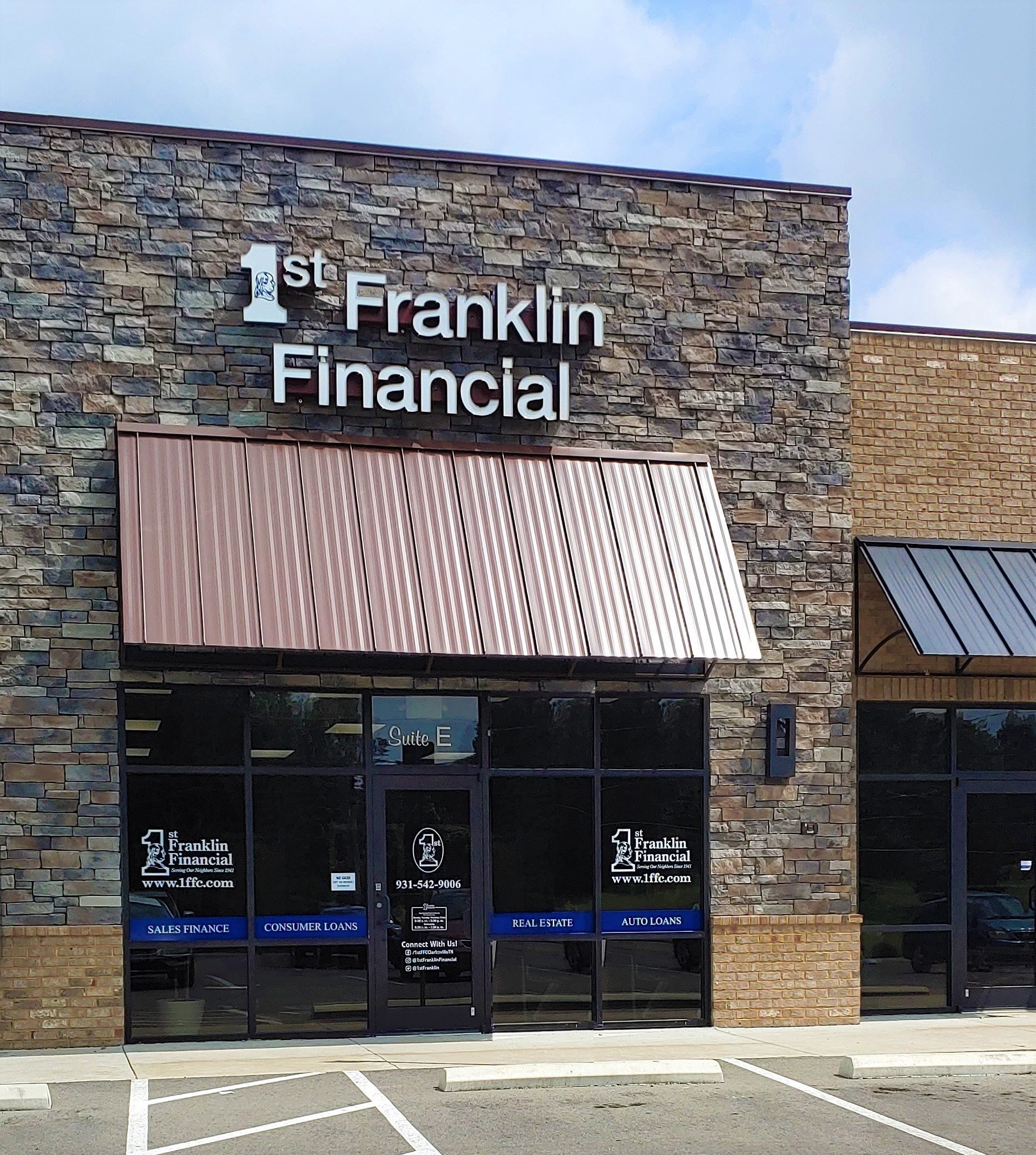
You can get an installment loan in Tennessee by applying through a lender that matches your credit profile and repayment capacity. These loans provide a lump sum of cash upfront, which you pay back in fixed increments over a set period.
How the Repayment Cycle Actually Works
An installment loan isn’t a revolving credit line like a credit card. When you take one out, the terms are set in stone from day one. You receive a chunk of money, and then you begin a predictable schedule of payments that lasts for months or even years. This structure is why people use them for specific, one-time costs like car repairs or medical bills.
Each payment you make is split between the principal and the interest. At the start of the loan, a larger portion of your money goes toward the interest. As time passes and the principal balance drops, more of your money actually touches the debt itself. This is basic math, but it matters when you are looking at your monthly budget. You need to know exactly what that number is before you sign anything.
The predictability is the main selling point here. You won’t wake up to a surprise minimum payment that’s suddenly doubled because the interest rate fluctuated. In Tennessee, lenders generally have to be clear about these terms upfront. You should see a clear table that shows every payment amount and the date it is due. If a lender is being fuzzy about the total cost, walk away.
The Fixed Payment Advantage
Fixed payments allow you to build a budget that actually works. You can look at your paycheck and know exactly how much is going to the lender on the 1st or the 15th. This removes the guesswork that often comes with other types of quick credit. It’s a much calmer way to handle a temporary cash shortage.
But don’t mistake predictability for ease. If your income is irregular, say, you work hourly or rely on seasonal shifts, a fixed payment can become a heavy burden during a slow month. You need to ensure that the monthly amount is something you can hit even when things are lean. It’s better to have a slightly longer loan term with a smaller payment than a short loan that leaves you broke every month.
Comparing Your Loan Options in Tennessee
Not all lenders are built the same. In Tennessee, you will run into a mix of traditional banks, local credit unions, and online lenders. Each one has a different philosophy regarding risk and speed. A local credit union might offer better terms if you have a long history with them, but they move much slower than a digital lender. They want to see your life history, not just a credit score.
Online lenders are the opposite. They want speed and convenience. You can often get an answer in minutes. However, they might not care as much about your local reputation or your specific employment stability. This can lead to higher costs or stricter requirements for those who don’t have a perfect financial history. You have to decide if you are paying for speed or for the lowest possible cost.
It’s helpful to look at the specific ways you might want to receive the funds. Some people prefer a direct deposit into their checking account, while others might need a check. When you are shopping around, look at installment loans Tennessee to see how the different providers structure their offerings. This comparison helps you avoid a situation where you’re stuck with a lender that doesn’t fit your immediate logistics.
| Lender Type | Speed of Funding | Requirement Level | Personal Touch |
| Traditional Banks | Slow | High | High |
| Credit Unions | Moderate | Moderate | Very High |
| Online Lenders | Very Fast | Varies | Low |
The Role of Credit Scores
Your credit score acts as a shorthand for how much risk you represent. A high score opens the door to the best rates and the most flexible terms. If your score is on the lower side, you aren’t necessarily out of luck, but you will likely face higher interest costs. This is the trade-off for taking a risk on someone with less proven history.
Some lenders focus heavily on your debt-to-income ratio. They want to see that after you pay your rent, your car, and your groceries, you still have enough left over to cover the loan. Even if your credit is good, if you’re already stretched to the limit, they might decline you. They aren’t being mean; they are protecting their own interests, which indirectly protects you from defaulting.
The True Cost of Borrowing Cash
Interest is the price you pay for the convenience of having money now instead of later. In an installment loan, this cost is baked into the structure of the loan. You need to look at the total amount you will have paid back by the time the final installment is made. This is often much higher than the amount you initially borrowed. That’s just how it works.
Sometimes, people get caught up in the monthly payment and forget the big picture. A $500 monthly payment might seem manageable, but if that payment lasts for three years, you are paying back much more than you might have realized. Always ask for the total cost of the loan. A simple question like “How much will I have paid in total by the end of this?” can save you a lot of headache later.
And you should watch out for any fees that get tacked on at the start. Some lenders charge origination fees, which is a cost for the service of setting up the loan. These are usually taken directly out of the money you receive. So, if you borrow $1,000 but they take a $100 fee, you only walk away with $900, but you are still paying interest on the full $1,000. Always read the fine print on the “net” amount you actually receive.
Understanding Prepayment Penalties
What happens if you come into some extra cash and want to pay the loan off early? Some lenders will let you do that without any extra charge. This is the best-case scenario because it saves you a massive amount of interest. If you can pay the debt off ahead of schedule, you win.
Other lenders might include a prepayment penalty. This is a fee they charge you for paying the loan off early because they are losing out on the interest they expected to collect. It sounds counterintuitive, but it’s a common practice. Before you sign, ask specifically: “Is there a penalty if I pay this off early?” If the answer is yes, make sure the math still makes sense for you.
Avoiding Common Lending Pitfalls
The biggest mistake people make is borrowing more than they actually need. It is tempting to take the maximum amount offered just because you can. But every extra dollar you borrow is a dollar you have to pay back with interest. If you need $1,200 for a transmission, don’t take $2,000 just because the lender offered it. Only take what solves the immediate problem.
Another pitfall is the “revolving door” of debt. This happens when you use an installment loan to pay off one debt, but then you don’t change the habits that caused the first debt. You end up with a new loan and the old debt still looming in the background. A loan is a tool to fix a specific situation, not a way to mask a lifestyle that is out of sync with your income.
Lastly, keep a close eye on your payment dates. Missing a payment can trigger late fees and, more importantly, it can damage your credit score. Once your score takes a hit, your ability to get any kind of credit in the future, from a car loan to a new apartment, becomes much harder and more expensive. Set up autopay if you can, or put the due date in your phone calendar with several reminders.
Identifying Red Flags
If a lender contacts you out of the blue with an “offer” that seems too good to be true, it probably is. Legitimate lenders don’t typically cold-call you to offer money you didn’t ask for. Be wary of anyone who asks for money upfront to “process” your application. A real lender takes their fees out of the loan proceeds, they never ask you to pay them via a gift card or a wire transfer before you get your money.
Another red flag is a lender who refuses to provide a written contract or tries to rush you through the process. You should never feel pressured to sign something on the spot. Take the paperwork home if you have to. If they won’t let you read the terms clearly, they are likely hiding something that will bite you later. Trust your gut; if a deal feels shady, it is.
You might still be thinking that all loans are essentially the same and that you can’t win. The truth is that an installment loan is only a “bad” deal if you use it to cover a lifestyle you can’t afford or if you ignore the total cost of the interest. If you use it as a calculated, one-time fix for a genuine need, it is a functional financial tool that can help you bridge a gap without the chaos of payday lending. If you want to go deeper, installment loans Tennessee is a solid place to start.
Good to know
What are Tennessee installment loans?
Tennessee installment loans are fixed-rate loans where the borrower repays the principal and interest through a series of scheduled payments over a set period.
Are there interest rate caps on installment loans in Tennessee?
Yes, Tennessee law regulates the maximum interest rates and fees that lenders can charge on installment loans to protect consumers.
How do installment loans differ from payday loans in Tennessee?
Unlike payday loans which are due in full on a single date, installment loans allow for repayment over several months with fixed payment amounts.
What is the typical credit requirement for an installment loan in Tennessee?
Requirements vary by lender, but most require proof of steady income and a credit assessment to determine eligibility and interest rates.
Can I pay off my Tennessee installment loan early?
Most installment loans allow for early repayment, but you should check your specific contract for any prepayment penalties or terms.